

Give me the secret!
While all vitamins and nutrients play a critical function in the body, supporting the numerous chemical reactions occurring in the body at any given moment, vitamin D is proving to be a powerhouse. Formally known as calciferol, the vitamin goes through a series of conversions due to exposure to ultraviolet rays. The first conversion occurs in the liver and the second occurs in the kidney, generating active vitamin D that can interact with various receptors throughout the body.
What are the various functions of vitamin D?
If only there was the time to analyze all of the role's vitamin D plays, but these are a few of the more well-known ones.
- Promotes the absorption of calcium in the gut, helping to maintain its balance. This balance is critical to ensure bones mineralize and are strong enough to support a growing, changing body. Without enough calcium, human bones become brittle and are prone to fractures. Calcium deficiencies also increase the risk of something known as hypocalcemic tetany, otherwise known as muscle spasms.
- Regular use reduced acute respiratory tract infections in both adults and children, as well as reducing the risk of pediatric influenza A in children during the winter months. This speaks to its importance in immune support. Research shows that a deficiency makes it more difficult for white blood cells to mature and subsequently produce the antibodies necessary to defend against infections.
- Shown to modulate inflammation within the body by preventing certain white bloods cells, like macrophages, from releasing too many pro-inflammatory agents (i.e. cytokines, chemokines).
Now a deep dive in to the new link showing vitamin D can protect against autoimmune disease.
This investigation took place out of the Brigham and Women's Hospital and was published in the British Medical Journal. The VITAL trial, as it was known, recruited 25,871 women older than 55 and men older than 50.
These individuals were followed for five years after being given either vitamin D on its own (2,000 IU daily), vitamin D and omega-3 fatty acids (1g), or a placebo.
In those taking either nutrient, there was a significantly lower rate of autoimmune diseases including rheumatoid arthritis, polymyalgia rheumatica, autoimmune thyroid disease and psoriasis. The study even supported that those taking these nutrients reduce their risk for developing cancer, heart disease and stroke in those with no prior history of these illnesses.
These incredible effects appeared two years after daily supplementation, though the original team noted a follow-up in later years may show whether the impacts were long-lasting.
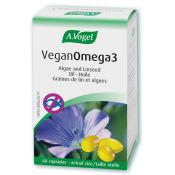
This is the kind of important research that offers all of us a chance to mitigate the full impact life-altering diagnoses. Vitamin D may not be as accessible to certain groups or populations due to the dominant source being animal-based, more specifically, sheep lanolin. Options like Vegan Vitamin D are sourced from lichen. To partner with this is Vegan Omega 3 which has been sourced from algae and linseed oil, reducing the risk of heavy metal contamination.
What about food sources of vitamin D and omega-3?
There are lots, but your culture, geographic location and pollution levels might make some of the more common sources inaccessible.
Fatty, cold-water fish are a common source of both of these key nutrients, though living by the coast usually means fish is a larger part of your diet. The further you are from water, the further the fish has to travel, an expense that elevates the price beyond what many can comfortably afford. This is why accessible supplements like those mentioned help certain populations more than others.
Doesn't sunshine provide enough though?
The downside of extensive time spent outdoors is why non-melanoma skin cancers are the most commonly diagnosed cancer for Canadians.
UV radiation is a known carcinogen and SPF-8 blocks most vitamin D-producing UV rays. The darker your skin tone, the longer you need to spend in the sun to synthesize the nutrient because of the higher concentration of melanin. This highlights the need for alternative options to sun exposure as the sole source of vitamin D.
After reading this, the hope is that you can recognize the importance of this nutrient and take precautions against future illness.
References
Hahn, Jill, et al. "Vitamin D and marine omega 3 fatty acid supplementation and incident autoimmune disease: VITAL randomized controlled trial." bmj 376 (2022).
Shoenfeld, Netta, Howard Amital, and Yehuda Shoenfeld. "The effect of melanism and vitamin D synthesis on the incidence of autoimmune disease." Nature clinical practice Rheumatology 5.2 (2009): 99-105.
Sidiropoulou, Polytimi, et al. "Unraveling the roles of vitamin D status and melanin during Covid 19." International journal of molecular medicine 47.1 (2021): 92-100.
Taylor, Christine L., et al. "Vitamin D: moving forward to address emerging science." Nutrients 9.12 (2017): 1308.
Webb, Ann R., et al. "Colour counts: sunlight and skin type as drivers of vitamin D deficiency at UK latitudes." Nutrients 10.4 (2018): 457.