


Sleep is designed to restore us. During the night, tissues are repaired, organs rest or finish cycles such as flushing out toxins. The mind also uses the time to filter everything that has happened that day.
‘Sleeping on it’ is a great technique, but obviously you actually need to sleep—staring at the ceiling all night doesn’t have the same effect… When sleep is disturbed we can find our brains struggling to cope, memory slipping, feelings of anxiety, poor concentration, muscles fatigued, skin dull and eyes lack-lustre.
We all know that we feel better after a good sleep. What we may not realise is how many facets of our health are boosted by the simple mechanism of sufficient slumber.
Beauty Sleep
A Swedish study looked at the effect of sleep-deprivation on how healthy and attractive people look to others. Volunteers at a sleep study centre were photographed after eight hours sleep and again after being kept awake for 31 hours. Observers scored the participants as looking less healthy and less attractive when sleep-deprived than when they had slept for eight hours.
Slimming Sleep
Poor sleeping habits can drive people towards excess snacking, according to the results of a study at a sleep laboratory. Volunteers had their sleep patterns monitored and in some cases curtailed, whilst having unlimited access to food. Those whose sleep was restricted were found to increase their snacking rate, especially after 7pm. Calorie intake also increased, as the sleep-deprived volunteers were more likely to choose high carbohydrate foods. Snoozing instead of snacking would seem to be the order of the day (and night).
Strengthening Sleep
Poor sleep quality and shorter sleep duration make people less resistant to colds, according to research done on healthy men and women. The amount and quality of sleep the volunteers got over 14 nights was monitored, and then they were exposed to a cold virus. Those who had achieved less than 7 hours sleep per night were more likely to develop a cold than those getting 8 hours or more.
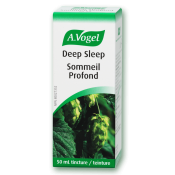
If you struggle to recapture the first careless rapture of teenage sleep, enlist the aid of A.Vogel Deep Sleep, a traditional herbal medicinal product to use in the temporary relief of sleep disturbances caused by symptoms of mild anxiety, exclusively based upon long-standing use as a herbal remedy.
Sometimes there are just too many things on your plate, making it more difficult for you to fall asleep. Or if you do, you don’t sleep so soundly.
What can be done to help?
Of course, sometimes you may need a prescription medication, but these should not be used in the long term (as they interfere with restorative sleep and can lead to rebound insomnia).
Ask your naturopathic doctor about herbal (e.g. valerian, hops, chamomile, passion flower, ziziphus, skullcap, California poppy, etc.), nutritional alternatives (e.g. 5HTP, melatonin, L-theanine), which can be quite effective when used appropriately.