

While women are biologically structured to experience periods, what exactly are they?
Much like getting a new appliance or device, you know what it does, but you leave knowing how it functions to a specialist. The uterine cycle is typically 28 days long on average and begins anew following the last period for the sole purpose of all species - reproduction. There are three distinct phases that the female body passes through during a cycle.
- Proliferative phase – during this phase, a layer of cells within the uterus known as the endometrium begins to experience rapid growth. An additional ovarian cycle takes place in parallel with the uterine cycle. During the ovarian cycle, follicles mature and release an ovum or egg as it is more commonly known.
- Secretory phase – following ovulation of the egg, via the mature follicle, hormones are released to influence the endometrium to become receptive to a fertilized egg.
- Menstrual phase – if pregnancy occurs, menstruation will not take place. However, if the woman does not become pregnant during that time, the body has no reason to maintain the endometrium that grew. Therefore, it sheds the layer leading to the familiar monthly bleeding.
What if I’m an elite athlete and I don’t experience periods regularly?
This is actually more common than many might think, but it is far from ideal. While there is no true definition of what makes an athlete ‘elite’, these athletes are often professionals at higher levels of competition with physiological features that set them apart.
These include a higher power output, significantly higher thresholds for endurance or strength, and an increased maximal rate of oxygen consumption known as VO2 max. At these levels, it’s unsurprising that familiar names of Olympians like Michael Phelps spend upwards of six hours a day training, not to mention sticking to a strict diet outside of that. For woman, all of the resources that go into building and maintaining muscle tone can leave the body depleted…so depleted in fact that there aren’t enough resources to support her reproductive capacity.
Research published in the British Journal of Sports Medicine demonstrated that 25% of female athletes in their study experienced amenorrhea, the absence of menstruation. This is an especially detrimental situation if her caloric intake is less than what she expends during her training session. It’s critical to maintain a healthy and regular diet to ensure the body has enough nutrients to support athletic performance and its regular cycles.
How do my periods affect my physical performance?
As the lining of the uterus is shed, the uterus contracts to expel the tissue. In order to achieve this, the body generates prostaglandins which are heavily involved in inflammation of the body’s tissues and stimulate menstrual contractions. This leads to the familiar cramping that accompanies the monthly bleeding.
Some of these agents manage to slip into the bloodstream and make their way upwards to the brain where they can cause local blood vessels to contract, leading to headaches. Additionally, these prostaglandins can make their way to the intestines and stimulate a similar contraction to that experienced in the uterus leading to gas and/or diarrhea.
So daughters, sisters, nieces, and mothers are expected to have their head in the game and give it their all when their trying to manage their cramps, bleeding, and bowels…and that’s just their physical signs and symptoms.
How do my periods affect my mental performance?
The prostaglandins that escaped towards the brain also have the effect of influencing concentration. Non-athlete women participated in a study analyzing the relationship between reaction times and their menstrual cycle.
Perhaps unsurprisingly, the woman in the study experienced longer reaction times during their periods. While the study looked at non-athletes, it could be that female athletes are therefore at a disadvantage during their periods. It may be that they are a few milliseconds slower responding to the shuttlecock or hockey puck as it speeds towards them. In the February 2018 Olympics, speed-skating Canadian Ted Jan-Bloemen beat Norway’s Sverre Lunde Pedersen by two-thousandths of a second…so every millisecond can literally mean the difference between placing in the top three, and not placing at all.
How can I prevent my period from interfering with my athletics?
As mentioned earlier, amenorrhea can signal more sinister conditions such as a severe hormonal imbalance, both hypo- and hyperthyroidism, polycystic ovary syndrome, or many others. When you first suspect any irregularities in your period flow, colour, or timing, it’s best to get yourself to your primary care provider to determine what could possibly be happening.
With a long history as a hormone normalizer, Chasteberry (Vitex agnus-castus) is incredibly useful for woman experiencing their period. In one study looking at participants experiencing premenstrual dysphoric disorder, chasteberry proved to be as effective as fluoxetine, a commonly prescribed antidepressant, in managing the behavioural and somatic symptoms.
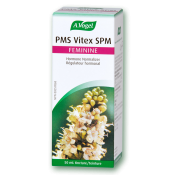
The product PMS Vitex makes this fruit easily available as a tincture that can be included in your morning routine.
When the lining of the uterus sheds, despite being a regular process that has evolved over time, the rest of the body still reacts as though to injury. This, in addition to the stress on joints and muscles during training, and the anticipatory anxiety many feel prior to a competition can all negatively the body’s function via the release of hormones such as cortisol.
While you may be inclined to put in another hour of training, it’s just as important to ensure you get enough sleep, nutrients, and manage your stress.
References:
http://bjsm.bmj.com/content/48/7/655.1
https://www.ejmanager.com/mnstemps/28/28-1473362499.pdf
https://www.ncbi.nlm.nih.gov/pmc/articles/PMC2941235/
https://www.ncbi.nlm.nih.gov/pmc/articles/PMC3081099/
https://www.ncbi.nlm.nih.gov/pmc/articles/PMC3806174/
https://www.ncbi.nlm.nih.gov/pmc/articles/PMC5251302/
https://www.ncbi.nlm.nih.gov/pubmed/2714974
https://www.ncbi.nlm.nih.gov/pubmed/3297513
https://www.ncbi.nlm.nih.gov/pubmed/6390612
https://www.ncbi.nlm.nih.gov/pubmed/17145688
https://www.ncbi.nlm.nih.gov/pubmed/23136064
https://www.ncbi.nlm.nih.gov/pubmed/26351143