


Why is snacking so important?
What you choose to eat between meals is just as important as what you eat at breakfast, lunch or dinner, especially if you’re going on a long-distance ride.
The right foods can make a real difference, helping you maintain your energy levels, feed your muscles and fight off fatigue. If you’re going to be cycling for anything more than an hour, it’s recommended that you bring something along to nibble on.
However, just as the right foods can make a positive difference to your ride, the wrong foods can also have just as big an impact. If you’ve been pedalling for two hours and can feel your blood sugar levels dropping, it might be tempting to stop and snack on a Snickers bar or munch on a packet of chips.
This could be a real mistake though. Sugar treats are a temporary fix—you may feel better for a little while, but eventually that sugar high is going to turn into a sugar crash, leaving you feeling every bit as lively and energised as the average sloth. Not so good if you’ve still got another 60 km to pedal!
Just as not having the right snacks can have a less than positive impact on your ride, so can not snacking at all. In fact, it may be worse! If you’re cycling a long distance, you’re going to be burning a lot of energy—if you don’t try to support your muscles or blood sugar levels during this time, you’re going to encounter a lot of problems, ranging from dizziness to fatigue.
7 great snacks for cycling
So we know that snacking is essential, at least for a long-distance cycle, but which foods should be on your list? Recently, even Mars and Snickers claim to have upped their protein game, but that doesn’t necessarily make them any healthier.
The truth is that a lot of so-called ‘health bars’ are loaded with refined sugars, so sometimes the best option is to keep things simple. Below, I’ve provided a list of my favourite snacks and useful recipes you can try to maintain your energy levels and support your sporting performance!
1 – Get nutty about nut butters
Move over, peanut butter, you’re starting to face some serious competition! Nut butters are definitely on the up and up in terms of popularity and it’s easy to see why. They’re an excellent source of dietary fibre and protein, not to mention being incredibly versatile.
You can spread them over some whole wheat toast, add them to your smoothies and energy balls, or just enjoy them with a slice of banana. Now of course most of you are probably familiar with peanut butter and consider it a classic favourite, but my advice is just not to limit yourself.
There’s a whole world of nut butters out there: cashew, almond, macadamia, brazil nut and even pistachio! They’re chock full of healthy fats and may even help improve your cholesterol.
However, it’s important to make sure you choose the right nut butter. Unfortunately, a lot of companies add sugars and salt to their products and condone the use of palm oil. It can be a bit of minefield for the novice nut butter enthusiast, so always check the label first.
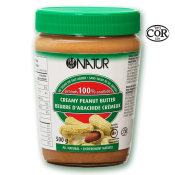
Look for Natur peanut or almond butters, which are 100% natural, with no added sugar, salt, oil or preservatives.
2. Supercharge with seeds
Seeds can be a controversial snacking option. While some people can’t resist munching on a few sunflower seeds, others condemn them as ‘bird food.’
That criticism does seem a bit unfair though: seeds are absolutely loaded with goodness, from minerals like magnesium to the ultimate superseed, Chia, which is bursting with omega fatty acids! Below, I’ve listed a few of my favourite seeds and their amazing health benefits—how you choose to eat them is up to you!
Sunflower: Rich in B vitamins and the antioxidant vitamin E, phosphorus and selenium. Provides a great source of healthy fats, helping you feel fuller for longer!
Pumpkin: Bursting with mood-lifting magnesium and immune-supporting zinc, as well as plant-based omega fats.
Flaxseed: Loaded with omega fatty acids and plenty of dietary fibre to support healthy digestion. Naturally anti-inflammatory and great for helping to balance your blood pressure.
Chia: Concentrated source of omega fatty acids, calcium, potassium and magnesium. High in antioxidants, fibre, protein and omega fatty acids. Great for keeping you energized and supporting your metabolism.
Sesame: Provides a great source of magnesium, calcium and phosphorus. Packed with dietary fibre and great for maintaining normal blood pressure and strengthening muscle tissues.
Hemp: Incredibly high in essential fatty acids, including GLA and omega-3 and -6. Rich in iron, B vitamins, vitamin D and vitamin E. Good for those who suffer from gluten or nut allergies!
As you can see, there’s a lot to be gained from increasing your intake of seeds. However, I can appreciate the idea that nibbling away at a pack of sunflower seeds might not be the most thrilling taste sensation. Luckily, you can incorporate seeds into a variety of dishes from trail mix to butters.
3 – Dry your fruit up
Dried fruit can provide a tasty and slightly sweeter alternative if you aren’t keen on the idea of nuts and seeds. It’s also much more convenient than carrying around fresh fruit. which can be easily bruised or spoiled.
Most dried fruits do manage to retain their vitamin and mineral content, providing abundant dietary fibre and antioxidants. There’s also an incredible variety that you can choose from—raisins, prunes, apricots, figs, dates—you name it and you can probably find a dried version!
Arguably the most popular dried fruit these days is the goji berry. Extremely difficult to get fresh, you will probably only be familiar with the dried version. Famous for their vitamin C content as well as being rich in iron, selenium and certain polysaccharides, these berries definitely have a reputation for being a superfood.
I would recommend getting a hold of some if you can—they’re great for balancing your blood sugar and maintaining your energy levels!
4 – Go bananas!
Speaking of fruit, it’s important not to forget about the fresh stuff. Dried fruit’s all fine and dandy, but nothing beats a good old-fashioned banana.
Chock full of potassium, bananas are great if you’re looking to stay fuller for longer, not to mention they also play a crucial role in your metabolism. Providing a nice, slow release of energy as opposed to a quick sugary hit, they’re ideal if you’re looking for a food that may help to increase your endurance.
There is also a lot of evidence to suggest that they can help improve your sporting performance too, with two bananas alone powering you through 90 minutes of strenuous exercise. Not bad! Definitely keep at least one on hand if you’re planning for a long-distance ride!
Try these recipes:
5 – Make your own energy bars
As I mentioned earlier, energy bars seem to be popping up everywhere, but sometimes they’re every bit as sugary and unhealthy as the chocolate bars they’re aiming to replace. So what’s the solution if you can’t trust brand-name bars? Making your own, of course!
You don’t have to be a master chef—your food processor will do most of the work for you. What you do need is a good list of ingredients, and I’ve already covered a good chunk of them in this article!
Oats might be worth buying: not only are they a complex source of carbohydrates, they’re great for keeping you feeling full. My favourite energy bar recipes also incorporate dates, so it might be worthwhile setting some aside from your snack box.
Try these recipes:
Chewy chocolate-banana granola bars
6 – Stock up on boost balls
Similar to energy bars, boost balls are a great way to satisfy your hunger pangs, and they’re full of fibre. You can include anything, from chia seeds to cashews. All you need is a food processor and a bit of creativity. Why not spice things up by adding a hint of warming cinnamon or even chocolatey cocoa?
I’m quite partial to rolling mine is dried coconut for an extra touch of texture! Below are a few of my favourite boost ball recipes—adjust them to suit your own tastes!
7 – Blitz up a smoothie
My final piece of advice would be to try and blitz up a smoothie. Not only is this a great way of ensuring you get enough fruits and vegetables, it’s also easier to consume on-the-go and there are an endless variety of recipes to follow.
Try adding some Beetroot Juice to your smoothie. Research suggests that this vibrant juice could help improve stamina and oxygen uptake as a result of the high nitrate content. Read our blog on this to find out more.
When it comes to making smoothies, protein powders are another popular choice for a lot of cyclists. Just make sure you pick an organic brand to avoid unwanted additives and chemicals.
Try these recipes:
Banana-Avocado Smoothie with Bambu®
Reference
http://www.mayoclinic.org/diseases-conditions/high-blood-cholesterol/in-depth/cholesterol/art-20045192